For most people, the first contact with modern AI was a chat window. You typed a question, it typed an answer, and the conversation ended when you closed the tab. That model was impressive, but it was also passive: the AI could explain how to do something, yet you still had to go and do it. The next step, already arriving in offices and workflows around the world, is AI that does not just answer but acts. These systems are usually called agents.
The difference sounds subtle, but it changes how we think about software. A chatbot is a very good conversationalist. An agent is closer to a junior colleague: you give it a goal, it breaks the goal into steps, uses the tools it has been given, checks whether the result makes sense, and reports back. Understanding that difference is the key to using agents well and to avoiding the hype that surrounds them.
01What actually makes something an agent
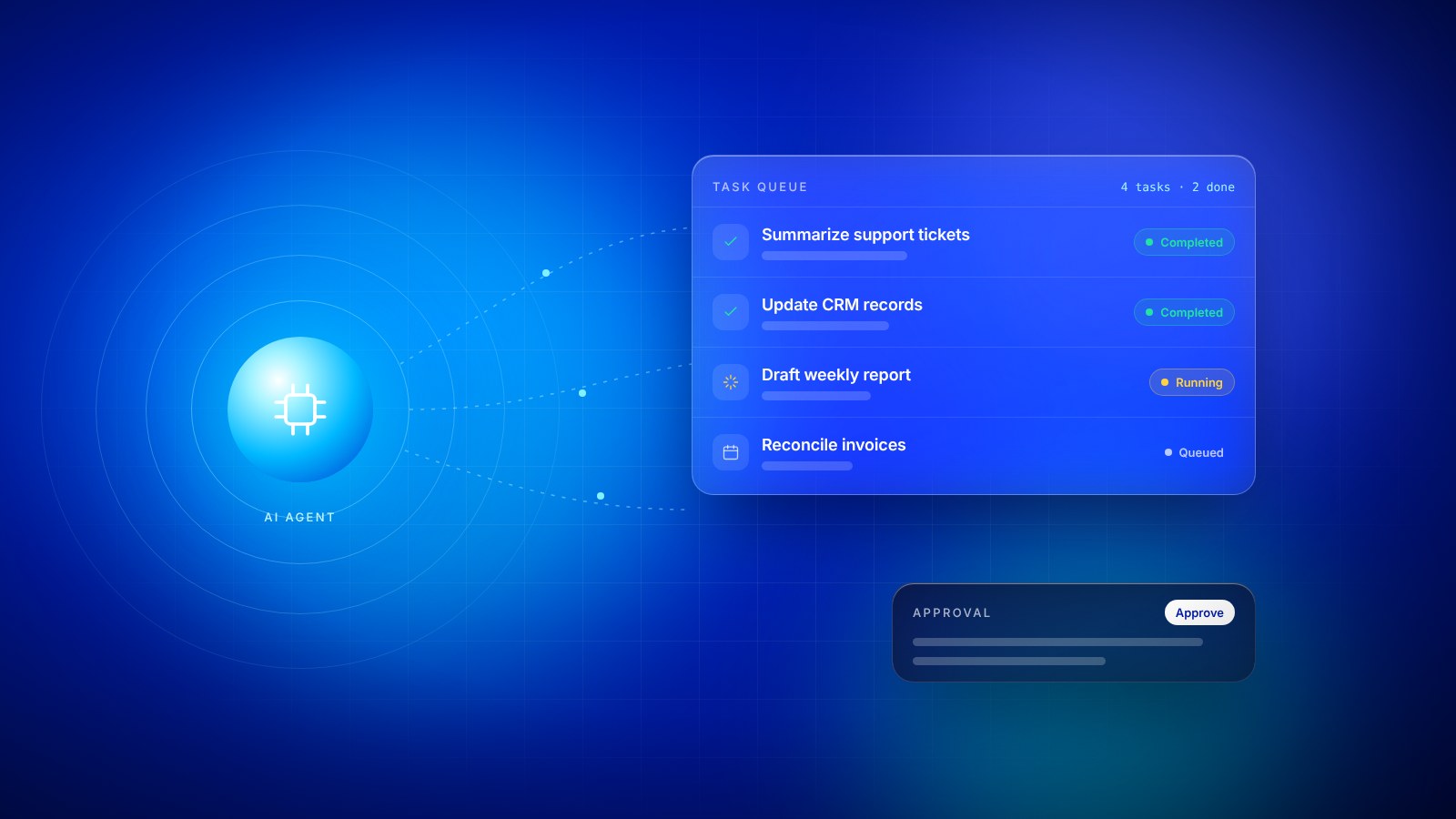
There is no single official definition, but most practitioners agree on a few ingredients. The first is planning: the ability to take a fuzzy objective such as “prepare a summary of last week’s support tickets” and turn it into concrete steps. The second is tool use: the agent can call other systems, such as searching a database, reading a document, sending a message or filling in a form. The third is a feedback loop: after each step it looks at what happened and decides what to do next, instead of blindly following a script.
Put together, these ingredients create something that behaves less like a program and more like a process. Traditional automation follows a fixed path: if this, then that. An agent can handle variation, because it reasons about each situation as it comes. That flexibility is its biggest strength and, as we will see, the main reason it needs guardrails.
A chatbot tells you how to do the work. An agent does the work and tells you how it went.
02Where agents shine today
The most successful early deployments share a pattern. The tasks are repetitive, they follow recognizable rules, and the result is easy for a human to check. Think of triaging incoming emails into categories, drafting first replies to common customer questions, reconciling records between two systems, or gathering information from several sources into a single report.
- Customer operations: classifying requests, pulling up the right account details and drafting a response for a person to approve.
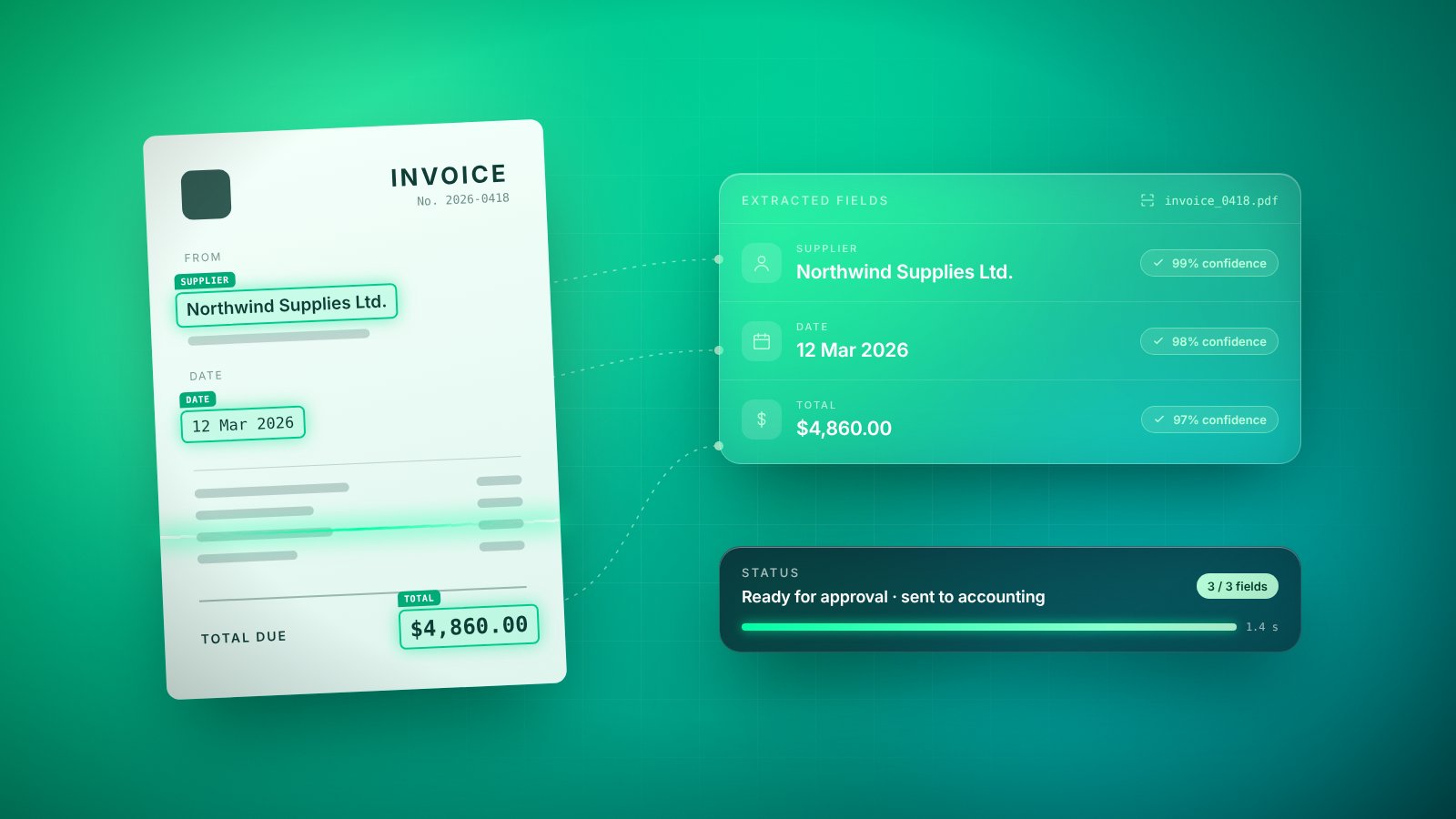
- Back-office work: matching invoices to orders, flagging mismatches and updating records.
- Research and reporting: collecting data from internal documents and summarizing what changed since last week.
- Sales support: enriching leads with public information and preparing briefings before a meeting.
In each case the agent removes the tedious middle of the task, the copying, searching and formatting, while a person keeps the judgment calls. That division of labour is where the real productivity gains come from. People stop spending their mornings on mechanical work and start spending them on decisions.
03Where they still struggle
Agents are not magic, and pretending otherwise leads to disappointing projects. They can misunderstand ambiguous instructions, confidently produce wrong answers, or take a long and expensive route to a simple result. They also struggle with tasks where success is hard to measure, because without a clear signal of what “good” looks like, the feedback loop has nothing to work with.
Long, open-ended tasks are another weak spot. Every step carries a small chance of error, and over dozens of steps those chances add up. This is why the most reliable agents today work on short, well-defined jobs, and why breaking a big process into smaller supervised pieces usually beats handing over the whole thing at once.
04A practical path to adoption
The safest way to introduce agents is gradually, in stages of increasing autonomy. In the first stage the agent only suggests: it drafts the email, prepares the record update or proposes the next step, and a person clicks approve. This builds trust and, just as importantly, produces a record of where the agent gets things right and where it does not.
Once the approval rate is consistently high for a particular kind of task, the agent can be allowed to act on its own for that task, while still logging everything it does. Exceptions and unusual cases continue to go to a person. Over time the boundary moves, but it moves because of evidence, not optimism.
05The human side of the equation
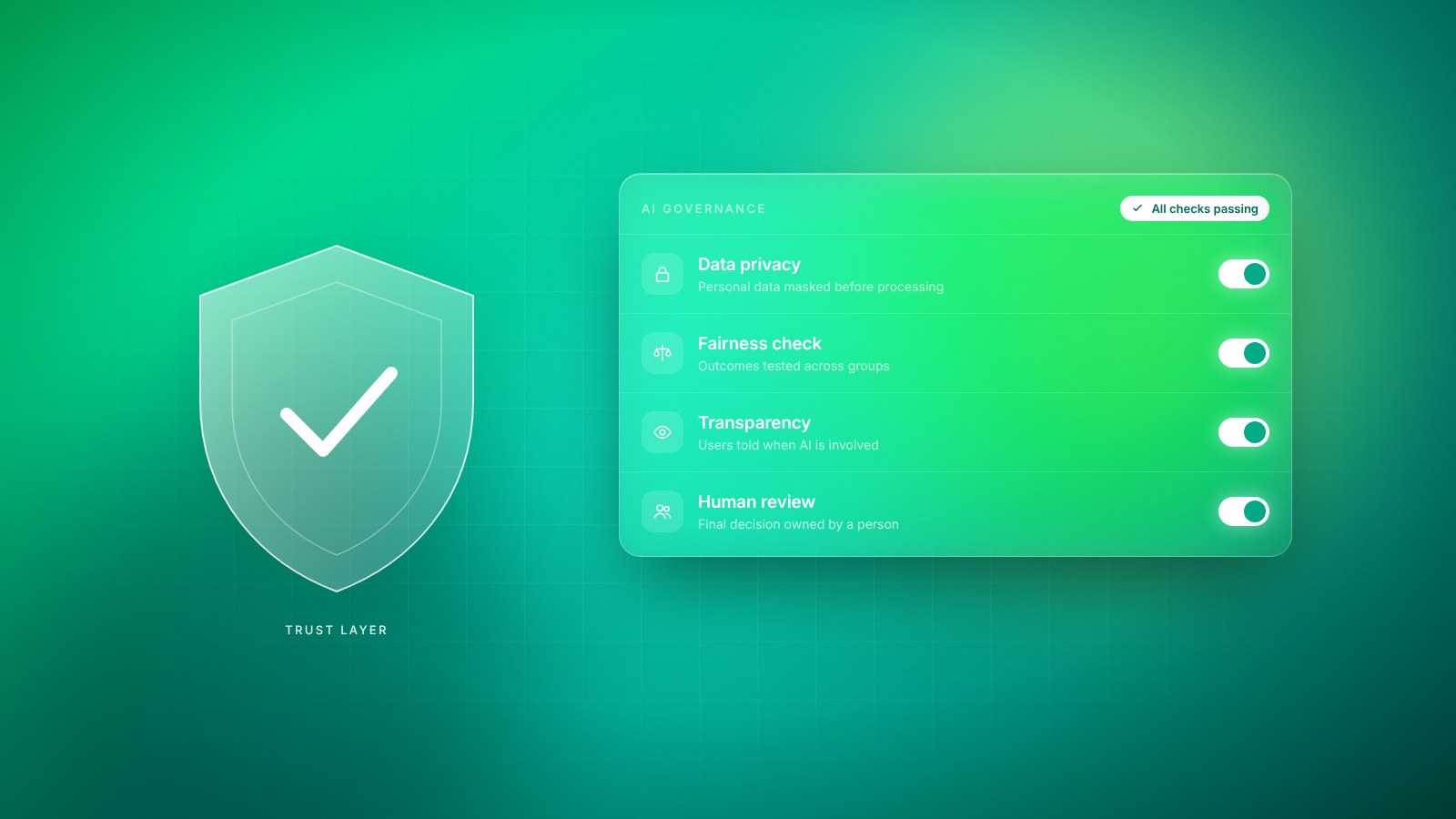
The technical setup is often easier than the organizational one. Teams need to know what the agent is responsible for, who reviews its work and what happens when it makes a mistake. Clear ownership prevents two common failure modes: people ignoring the agent because they do not trust it, and people trusting it so much that nobody notices when it drifts.
It also helps to be honest about the goal. Agents work best when they are framed as a way to remove drudgery, not as a replacement for the people who understand the business. The colleagues who know the process are the ones best placed to design, test and supervise the agent that will take over its repetitive parts.
06Looking ahead
The direction of travel is clear. Models are getting better at planning, tools are becoming easier to connect, and the cost of running agents keeps falling. What will separate successful organizations is not access to the technology, which is becoming widely available, but the discipline to apply it to the right problems with the right controls.
The shift from chatbots to agents is, in the end, a shift from information to action. Handled carefully, it frees people to do the work only people can do. Handled carelessly, it simply automates confusion. The difference lies in clear goals, narrow permissions, honest measurement and a willingness to start small.
Key takeaways
- 01An agent is defined by what it can do: plan, use tools and check its own results.
- 02The best first use cases are repetitive, rules-heavy and easy to verify.
- 03Start with the agent suggesting actions and a person approving them, then widen its autonomy step by step.
- 04Clear goals, narrow permissions and good logs matter more than the choice of model.