“Let’s automate it” has become one of the most common phrases in business meetings. But automation is not one thing. Behind the word sit very different approaches, each with its own strengths, costs and ways of failing. Choosing the wrong one is a common reason projects run over budget or quietly stop working a few months after launch.
Broadly, there are three families. Rule-based workflows follow explicit instructions and connect systems directly. Software robots mimic a person clicking through screens. AI-driven automation interprets messy input and makes judgment-like decisions. Understanding the difference helps you ask better questions and spend your budget where it will actually pay off.
01Rule-based workflows: predictable and precise
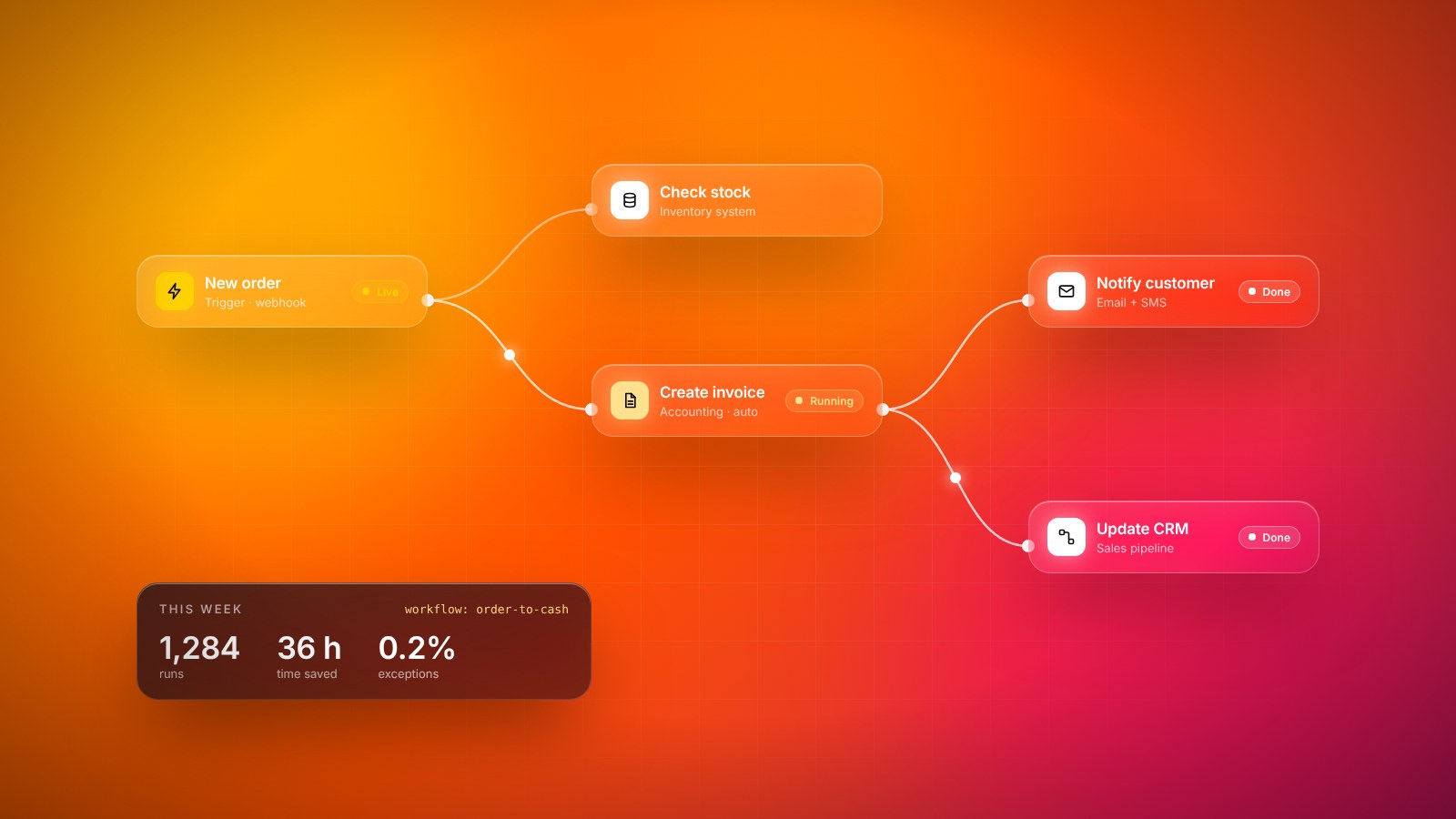
The simplest form of automation is a set of rules: when this happens, do that. When a new order arrives, create an invoice. When a form is submitted, add the contact to a list and notify the sales team. These workflows usually connect systems through their official interfaces, exchanging data directly rather than through screens.
Their great strength is predictability. Given the same input, a rule-based workflow does exactly the same thing every time, and when something goes wrong it is easy to see which rule caused it. They are also inexpensive to run. Their limitation is that they only handle situations someone anticipated. A rule cannot read an angry email and decide it needs a manager, and it cannot cope with data that arrives in an unexpected format.
02Software robots: bridging the gaps
Many organizations still rely on older systems that have no modern way to exchange data. Software robots fill that gap. They are programmed to do what a person would do: log in, open a screen, copy a value, paste it somewhere else, click save. To the old system, the robot looks like a very fast, very patient employee.
This can deliver quick wins without replacing core systems. The weakness is fragility. Robots depend on screens looking exactly as expected, so a moved button, a renamed field or a new pop-up can stop them. Every change to the underlying software is a potential break, which means robots need monitoring and regular maintenance. They are best seen as a bridge, often a temporary one, rather than a foundation.
Use the simplest kind of automation that reliably does the job. Sophistication is a cost, not a goal.
03AI-driven automation: handling the messy middle
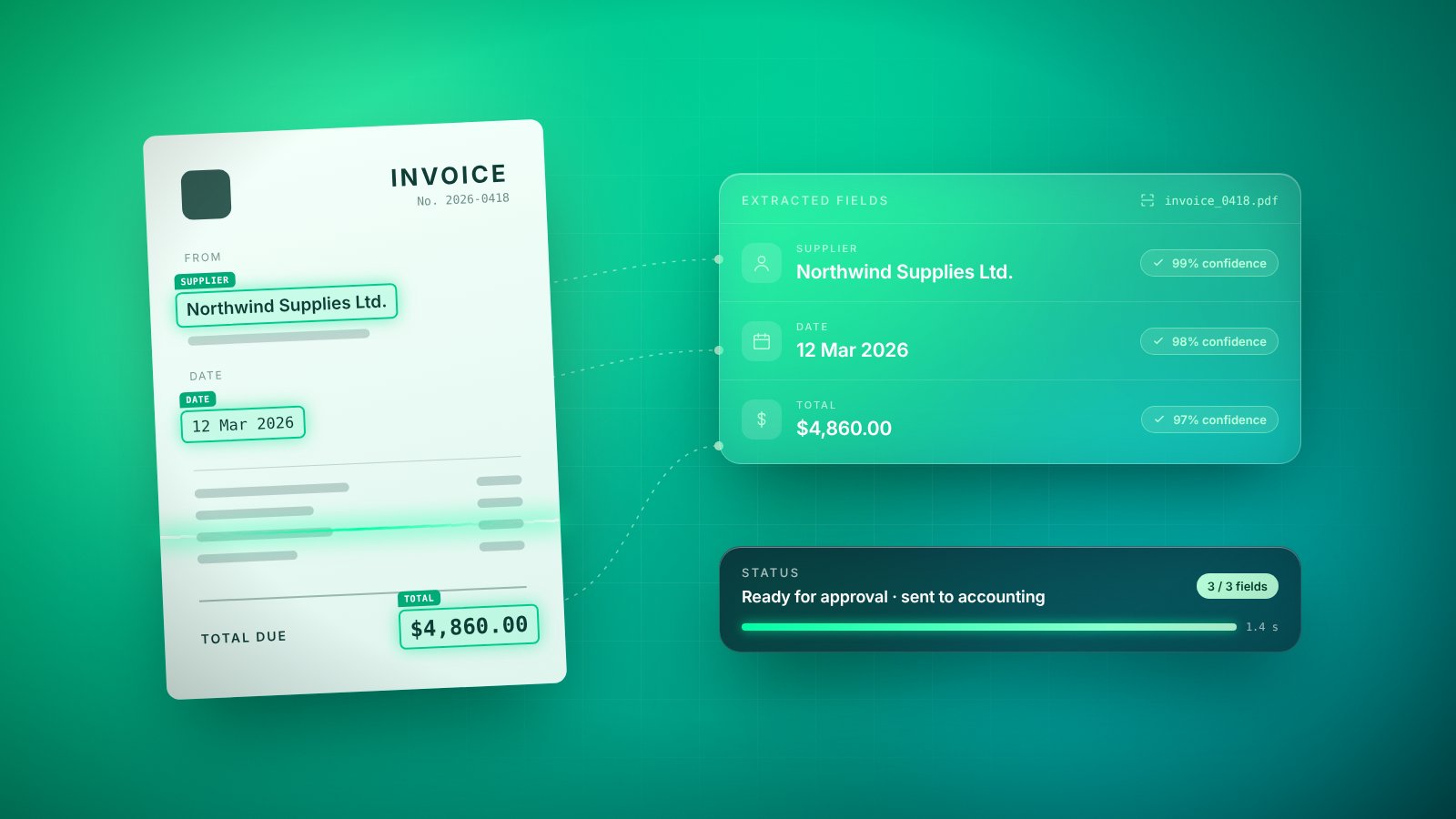
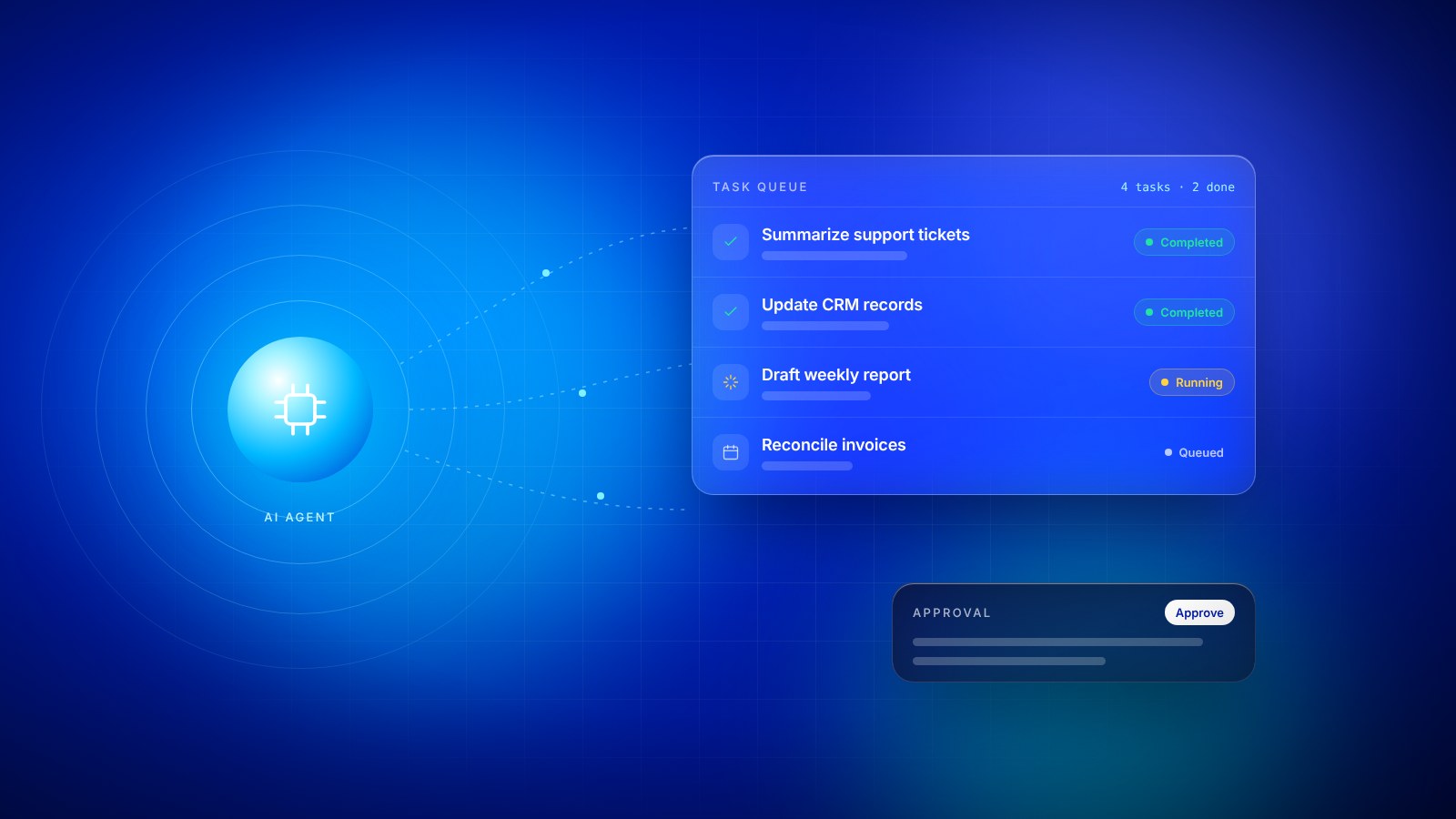
A large share of business work involves input that rules cannot handle: free-text emails, scanned documents, support tickets, voice messages. AI models can read this kind of material, classify it, extract the key details and draft responses. They can sort incoming requests by urgency, summarize a long thread, or decide which department a message belongs to.
The trade-off is predictability. AI systems work on probabilities, so they can be confidently wrong, and the same input may not always produce exactly the same output. Running them also tends to cost more per task than simple rules. That does not make AI unsuitable for important work, but it does mean designing for review: confidence thresholds, human approval for consequential actions and regular checks on quality.
04Matching the approach to the task
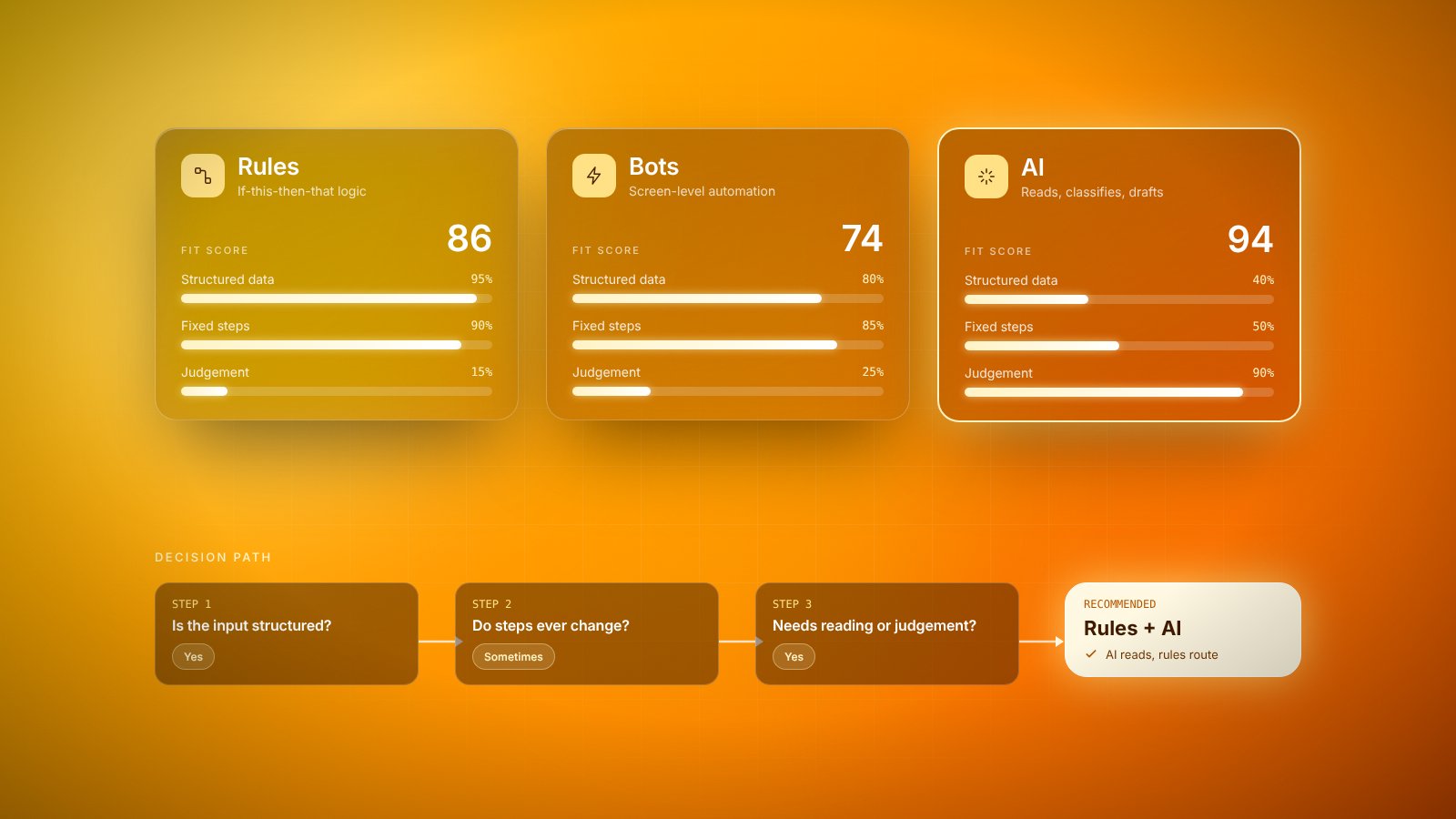
A few questions about any process will usually point to the right approach, or the right combination:
- Structure: if inputs are structured and predictable, rules are usually enough.
- Connectivity: if systems can exchange data directly, connect them rather than automating the screens.
- Legacy: if a key system has no interface and cannot be replaced soon, a software robot may be a practical bridge.
- Judgment: if the task involves reading, interpreting or classifying unstructured content, AI is likely needed.
- Consequences: the more costly a mistake would be, the more review and predictability you should build in.
Costs follow a similar pattern. Rules are cheap to run and moderately cheap to build. Robots are often quick to build but expensive to maintain. AI can be quick to prototype, but reaching dependable quality on real-world data takes testing, monitoring and ongoing tuning. Factor in the full lifetime cost, not just the initial build.
05Combining them well
In practice, the most effective solutions mix approaches, with each step handled by the simplest method that works. Consider a customer email requesting a refund. AI reads the message, identifies the order number and classifies the request. Rules then check the order against the refund policy and, if everything matches, process the refund through the payment system. If the order lives in an older system without an interface, a robot retrieves the details. Anything unusual goes to a person.
This layered design also makes problems easier to diagnose. When something goes wrong, you can see whether the AI misread the input, a rule was missing or a robot failed on a changed screen, and fix that piece without rebuilding the whole flow.
06Choosing without the hype
It is tempting to reach for AI for everything, because it is the most impressive option. Resist that urge. Start by mapping the process and asking which steps are truly rules, which depend on old systems and which genuinely need interpretation. Often the answer is that most of the process can be handled with plain rules, and AI is needed for one or two difficult steps.
Whatever you choose, give every automation an owner, document what it does in plain language and measure whether it delivers what was promised. The right kind of automation is not the most advanced one. It is the one your team can trust, maintain and improve for years to come.
Key takeaways
- 01Rule-based workflows are the most reliable choice when the logic is clear and systems can connect directly.
- 02Software robots bridge systems without connections, but they are fragile and need ongoing maintenance.
- 03AI handles unstructured input and judgment-like tasks, at the cost of predictability, so build in review.
- 04Most good solutions combine all three, using the simplest approach that works for each step.